Top Security Threats Facing GTA Businesses in 2024
Security challenges facing Toronto and GTA businesses in 2024. Learn about crime trends, threats, and protection strategies.
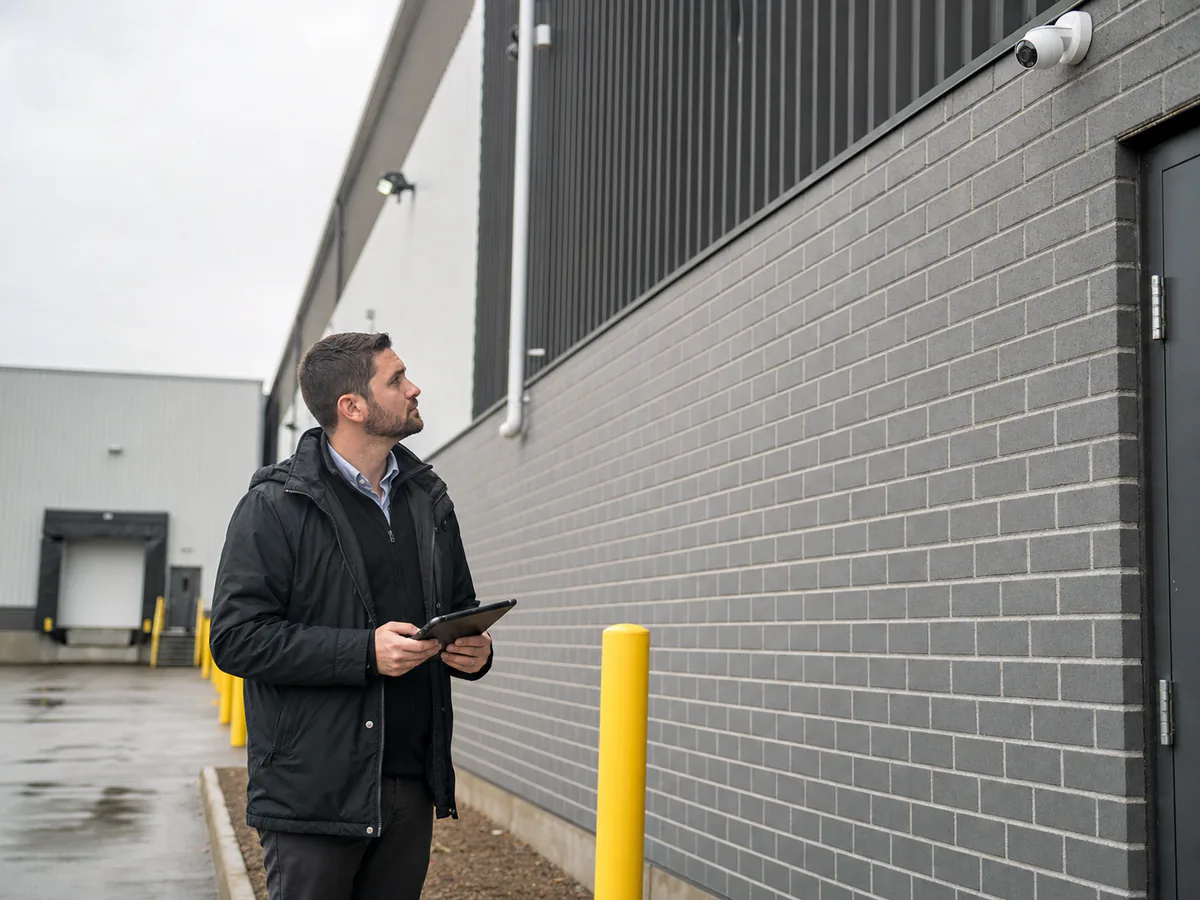
The Evolving Security Landscape in the Greater Toronto Area
The Greater Toronto Area represents one of North America’s most dynamic economic regions, with hundreds of thousands of businesses spanning every sector. This concentration of commercial activity also attracts criminal elements, from opportunistic thieves to sophisticated organized crime networks.
Understanding the threats facing GTA businesses in 2024 is the first step toward effective protection. This comprehensive analysis examines current crime trends, emerging risks, and practical strategies to keep your business safe.
Major Security Threats in the GTA
1. Vehicle Theft Epidemic
Auto theft has reached crisis levels in Ontario, with the GTA at the epicenter:
The Scope:
- Vehicle thefts up over 100% from pre-pandemic levels
- Toronto, Peel, and York regions among hardest hit
- Both personal and commercial vehicles targeted
- Many vehicles shipped overseas through Port of Montreal
Business Impact:
- Company vehicle fleet theft
- Customer vehicles stolen from parking lots
- Delivery and service vehicles targeted
- Liability concerns for business parking areas
Why It Matters: If customers’ vehicles are stolen from your parking lot, you face potential liability, reputation damage, and loss of business. Fleet vehicle theft disrupts operations and increases insurance costs.
Protection Strategies:
- Parking lot surveillance with license plate recognition
- Adequate lighting and sight lines
- Physical barriers for high-risk areas
- Vehicle tracking for company fleets
- Customer notification signage
2. Organized Retail Crime (ORC)
Coordinated theft operations have grown more sophisticated:
The Threat:
- Professional groups targeting specific merchandise
- Coordinated teams with assigned roles
- Connected to broader criminal networks
- Stolen goods sold online or through fencing operations
Common Targets:
- High-value electronics
- Designer clothing and accessories
- Health and beauty products
- Alcohol and tobacco
- Over-the-counter medications
Tactics Used:
- Distraction teams
- Booster bags to defeat EAS
- Quick grab-and-run
- Fake return schemes
- Employee recruitment/collusion
Protection Strategies:
- Video analytics for suspicious behavior
- EAS systems for merchandise protection
- Staff training on ORC indicators
- Information sharing with other retailers
- Secured display of high-value items
3. Commercial Break-and-Enter
Traditional break-ins remain a persistent threat:
When They Occur:
- Primarily nights and weekends
- Holidays and extended closures
- Early morning hours (3-5 AM typical)
- During major events when attention is elsewhere
Common Entry Methods:
- Forced door entry
- Window/glass breaking
- Roof access
- Loading dock doors
- Wall breaching (industrial areas)
What They Target:
- Cash and payment equipment
- Inventory and stock
- Electronics and equipment
- Copper and metal
- Vehicles and keys
Protection Strategies:
- Professional 24/7 alarm monitoring
- Video verification systems
- Quality door and lock hardware
- Motion-activated lighting
- Reinforced entry points
4. Cyber-Physical Security Convergence
Modern threats bridge digital and physical worlds:
Emerging Concerns:
- IP camera hacking for reconnaissance
- Access control system compromise
- Social engineering of security protocols
- Use of cyber intelligence for physical crimes
Examples:
- Criminals monitoring hacked cameras to plan break-ins
- Access credentials stolen through phishing
- Security system vulnerabilities exploited
- GPS/telematics systems used to track vehicles
Protection Strategies:
- Secure network configuration for security devices
- Regular firmware and software updates
- Strong password policies
- Cybersecurity training for staff
- Professional installation and configuration
5. Internal Theft and Fraud
Employee dishonesty causes significant losses:
Forms of Internal Theft:
- Cash theft from registers
- Merchandise theft
- Time theft and fraud
- Vendor collusion
- Expense fraud
- Data theft
Warning Signs:
- Living beyond means
- Resistance to audits or oversight
- Unusual access patterns
- Close relationships with vendors
- Reluctance to take vacation
Contributing Factors:
- Poor access controls
- Lack of separation of duties
- Inadequate oversight
- Culture of tolerance
- Economic pressures
Protection Strategies:
- POS surveillance and analytics
- Access control logging
- Regular audits and inventory
- Anonymous tip lines
- Background checks for sensitive positions
6. Vandalism and Property Damage
Property crimes impact businesses beyond theft:
Types of Vandalism:
- Graffiti and tagging
- Window and glass damage
- Vehicle vandalism
- Destruction of property
- Hate-motivated damage
Business Impact:
- Repair and cleanup costs
- Insurance claims and deductibles
- Customer perception issues
- Employee morale
- Time and management attention
Protection Strategies:
- Visible camera systems
- Motion-activated lighting
- Security patrols for high-risk times
- Rapid cleanup and repair
- Community engagement
7. Cargo and Logistics Crime
The GTA’s logistics hub status attracts cargo criminals:
Target Areas:
- Highway 401 corridor
- Airport and intermodal facilities
- Industrial parks in Peel and York
- Truck stops and parking areas
- Delivery routes
Tactics Used:
- Fraudulent pickup with false credentials
- Hijacking and vehicle theft
- Warehouse break-ins
- Driver collusion
- GPS jamming
High-Value Targets:
- Electronics and technology
- Pharmaceuticals
- Alcohol and tobacco
- Consumer goods
- Auto parts
Protection Strategies:
- Driver verification protocols
- GPS tracking and geofencing
- Loading dock security
- Secure parking and staging
- Industry information sharing
Geographic Hotspots in the GTA
Toronto
High-Risk Areas:
- Downtown retail corridors
- Entertainment districts (night economy)
- Industrial areas in Etobicoke, Scarborough
- Transit hubs and surrounding areas
Notable Trends:
- Retail theft concentrated in major malls
- After-hours break-ins in commercial districts
- Vehicle theft across all areas
Peel Region (Mississauga, Brampton)
High-Risk Areas:
- Highway 401/407/410 corridors
- Airport-area industrial zones
- Major retail centers
Notable Trends:
- Significant cargo theft activity
- Auto theft hotspots
- Warehouse and industrial break-ins
York Region
High-Risk Areas:
- Highway 7 and 407 corridors
- Industrial areas in Vaughan
- Commercial centers in Markham, Richmond Hill
Notable Trends:
- Auto theft (significant issue)
- Commercial break-ins
- Organized retail crime in major centers
Halton Region
Notable Trends:
- Lower overall crime rates
- Commercial property targets in Burlington, Oakville
- Cargo crime near QEW/403
Hamilton
High-Risk Areas:
- Industrial zones
- Lower city commercial areas
- Port and logistics facilities
Notable Trends:
- Property crimes in industrial areas
- Retail theft in commercial corridors
- Vehicle theft increasing
Industry-Specific Threats
Retail
- Organized retail crime
- Shoplifting
- Employee theft
- Return fraud
- After-hours break-ins
Warehousing and Logistics
- Cargo theft
- Employee theft
- Break-ins
- Vehicle theft
- Fraudulent pickups
Cannabis
- Targeted robberies
- Break-ins
- Regulatory scrutiny
- Organized crime interest
- Employee diversion
Food Service and Hospitality
- Cash theft
- Employee theft
- After-hours break-ins
- Vandalism
- Customer-related incidents
Healthcare and Professional Services
- Drug theft (medical)
- Data breaches
- After-hours break-ins
- Patient/client incidents
- Property theft
Building a Comprehensive Security Strategy
Assess Your Risks
Every business has unique risk factors:
Location Factors:
- Neighborhood crime rates
- Visibility and foot traffic
- Access points and vulnerabilities
- Neighboring businesses
Business Factors:
- Value of inventory/assets
- Operating hours
- Number of employees
- Cash handling
- Customer traffic
Historical Factors:
- Previous incidents
- Near-misses
- Industry trends
- Regional patterns
Layer Your Defenses
Effective security uses multiple layers:
Deterrence:
- Visible cameras
- Signage
- Lighting
- Physical presence
Detection:
- Alarm systems
- Motion sensors
- Video analytics
- Access logging
Delay:
- Quality locks and doors
- Barriers
- Safes and vaults
- Secure storage
Response:
- 24/7 monitoring
- Police notification
- Guard response
- Management alerts
Stay Informed
Keep current on threats:
- Police crime statistics
- Industry associations
- Local business groups
- Professional networks
- Security provider intelligence
Partner with Security Experts
Navigating the GTA’s security landscape requires expertise. Securitron Canada provides:
Threat Assessment
We analyze your specific risks based on:
- Location and surroundings
- Business operations
- Industry patterns
- Historical data
Customized Solutions
Security systems designed for your needs:
- Video surveillance with analytics
- Intrusion detection
- Access control
- 24/7 professional monitoring
Ongoing Support
Security is an ongoing partnership:
- System maintenance
- Technology updates
- Threat intelligence
- Response coordination
Local Knowledge
We understand the GTA:
- Regional crime patterns
- Local regulations
- Police service relationships
- Industry connections
Protect Your GTA Business
The threats facing GTA businesses are real and evolving. Waiting until you become a victim is a costly strategy. Proactive security investment protects your assets, employees, customers, and peace of mind.
Contact Securitron Canada today for a comprehensive security assessment. We’ll evaluate your specific risks, explain your options, and recommend solutions that address the threats facing your GTA business.
Don’t become a statistic. Take control of your security today.
Frequently Asked Questions
The most common crimes affecting GTA businesses include break-and-enter (especially after hours), shoplifting and retail theft, vehicle theft from parking areas, organized retail crime, employee theft, and vandalism. Businesses along major corridors like Highway 401 face elevated cargo theft risks.
Certain crime categories have increased in the GTA. Auto theft has risen dramatically (up over 100% from pre-pandemic levels), organized retail crime is growing, and break-ins targeting businesses remain persistent. However, comprehensive security measures significantly reduce victimization risk.
Crime patterns vary, but industrial corridors near highways (401, 407, 427) see elevated cargo theft. Downtown Toronto and major retail centers experience higher shoplifting rates. However, no area is immune—suburban and industrial areas often face break-ins due to lower surveillance and foot traffic.
Monitor crime through Toronto Police Service's crime mapping tool, Peel Regional Police crime statistics, and local news. Join local business associations that share crime alerts. Consider subscribing to commercial crime alert services. Securitron Canada provides clients with relevant local crime intelligence.
Studies show businesses with comprehensive security systems experience 50-70% fewer incidents than unprotected counterparts. Combined with insurance savings (10-20%), loss prevention, and liability protection, most GTA businesses see positive ROI within 1-2 years of security investment.